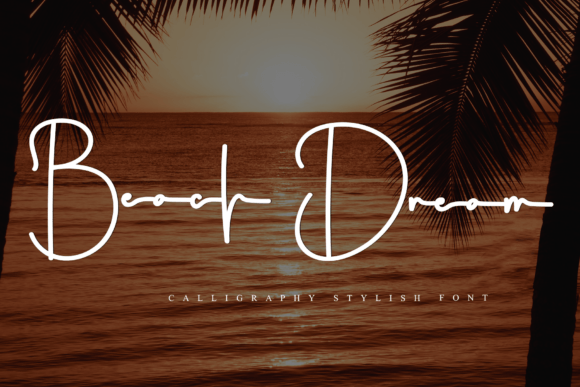
Beach Dream: A Script Font for Modern Web Design
In the fast-paced world of digital product creation, typography is often the first element that communicates brand personality. As web designers and UI specialists, we constantly search for typefaces that balance aesthetic appeal with functional clarity. Beach Dream, a standout offering from Script Amp, fills a specific niche in this landscape. It is not merely a decorative element; it is a strategic design asset crafted to bring warmth, uniqueness, and visual rhythm to digital interfaces. Whether you are building a high-converting landing page, designing an online store, or curating a personal portfolio, understanding how to leverage this font can significantly elevate your user experience.
Visual Character and Digital Personality
Beach Dream is defined by its soft, distinctive strokes and eye-catching structure. Unlike rigid geometric sans serif fonts or traditional serif fonts used for long-form editorial design, this script font introduces a human touch to screen-based media. Its unique character stems from the fluidity of its lines, which mimic the natural variation of handwritten text while maintaining the consistency required for professional web design.
For digital creators, this means the font carries an inherent emotional weight. It feels approachable, creative, and relaxed. This makes it an excellent choice for brands that want to distance themselves from cold, corporate aesthetics. When implemented correctly, Beach Dream acts as a visual anchor, drawing the eye and establishing a tone of authenticity. It is particularly effective in contexts where trust and personal connection are paramount, such as coaching websites, boutique e-commerce platforms, and lifestyle blogs.
Establishing Visual Hierarchy in Layouts
One of the primary challenges in UI design is guiding the user’s eye through the content. Visual hierarchy determines what users see first, second, and third. Beach Dream excels as a display font for hero sections, main headings, and call-to-action areas. Because of its decorative nature, it commands attention without needing excessive size or bold weights.
Consider a typical SaaS landing page or a course sales page. The primary headline needs to resonate emotionally while the subheadline provides logical context. Using Beach Dream for the primary headline creates an immediate contrast against a clean, modern sans serif font used for body copy. This pairing ensures that the key message stands out, improving scanning behavior and keeping users engaged. However, it is crucial to use this font sparingly. Overusing a script font can clutter the interface and reduce readability. Reserve it for short phrases, logos, section titles, or decorative accents rather than paragraphs of text.
Readability and Responsive Considerations
While Beach Dream is visually striking, its application requires careful attention to readability, especially on mobile devices. Script fonts can sometimes suffer from legibility issues when scaled down or viewed on smaller screens. To mitigate this, ensure that there is ample whitespace around the text. Crowding a decorative font against other elements reduces its impact and makes it harder to decipher.
When designing for responsive layouts, test the font at various breakpoints. On mobile screens, you may need to increase the line height and letter spacing slightly to prevent strokes from overlapping. Additionally, consider the background contrast. Beach Dream performs well on both light and dark backgrounds, but on image overlays, ensure there is sufficient contrast. Using a semi-transparent overlay or a solid color block behind the text can help maintain clarity without sacrificing the aesthetic appeal of the underlying imagery.
Strategic Font Pairing for Brand Identity
A successful brand identity relies on harmony between different typographic elements. Beach Dream is a versatile partner when paired with the right complementary fonts. For a modern, clean look, pair it with a neutral sans serif font like Inter, Roboto, or Open Sans. This combination balances the organic feel of the script with the structural stability of the sans serif, creating a professional yet inviting interface.
Alternatively, for a more editorial or luxury feel, consider pairing Beach Dream with a refined serif font. This approach works well for fashion brands, wedding planners, or high-end culinary websites. The key is to ensure that the secondary font does not compete for attention. The body copy should remain invisible in its functionality, allowing Beach Dream to shine as the star of the visual hierarchy.
Practical Applications in Digital Products
The versatility of Beach Dream extends across various digital touchpoints. Here are several practical scenarios where this font adds value:
- Landing Pages: Use it for hero headlines to create an immediate emotional connection with visitors.
- Online Stores: Ideal for category banners, sale announcements, or product packaging graphics displayed on screen.
- Portfolio Sites: Perfect for introducing creative professionals, adding a personal touch to project titles.
- Social Media Graphics: Enhances quote cards, story highlights, and promotional posts with a cohesive brand look.
- Email Headers: Adds a distinctive flair to newsletter templates, increasing open rates through recognizable branding.
In each of these cases, the font serves to reinforce brand recognition. Consistency in typography across all digital assets builds trust and professionalism. When users see the same distinctive typeface on your website, social media, and email campaigns, they begin to associate that visual style with your brand values.
Technical Implementation and Licensing
Before integrating Beach Dream into your next project, verify the technical specifications provided by Script Amp. Check for available file formats, such as OTF, TTF, and WOFF/WOFF2 for web use. Webfont availability is critical for ensuring that the font renders correctly across different browsers and devices. Additionally, look for included styles, alternates, or ligatures that can add further customization to your designs.
Licensing is another vital consideration. Ensure you have the appropriate commercial font license for your intended use. If you are using the font for client projects, digital templates, or online stores, confirm that the license covers these applications. Proper licensing protects both you and your clients from legal issues and supports the creators who develop these essential design assets.
Ultimately, Beach Dream is more than just a pretty typeface. It is a tool for communication. By understanding its strengths and limitations, web designers and digital product creators can use it to build more engaging, readable, and emotionally resonant online experiences. Whether you are refining a brand identity or launching a new digital product, this font offers the perfect blend of creativity and functionality to make your work stand out.